
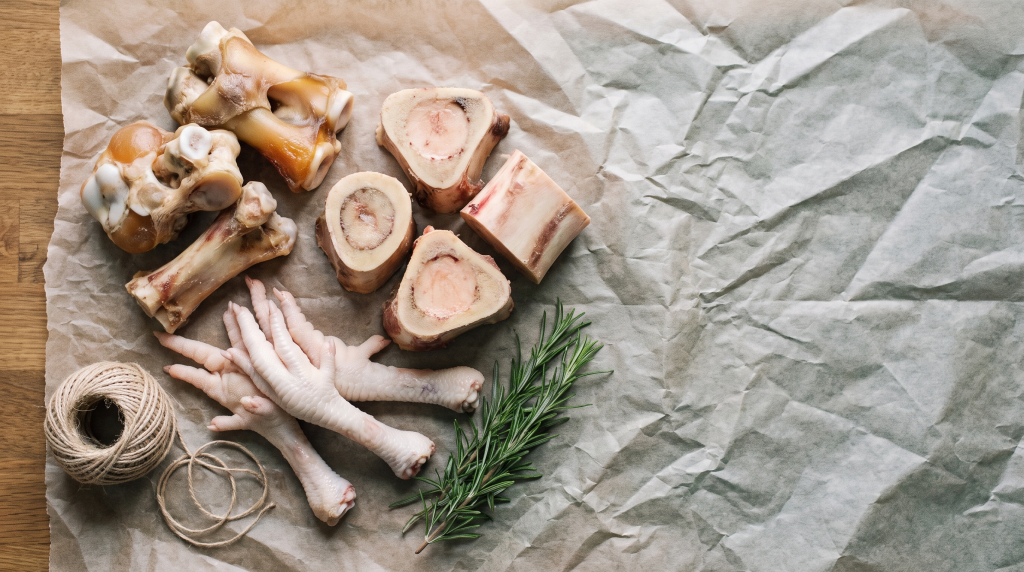
Quick Answer
- The best bones combine collagen rich joints for body with meaty bones for flavor.
- Knuckles, feet, and marrow bones give the firmest gel; meaty and roasted bones give the deepest flavor.
- Beef bone broth is richest from knuckles and marrow; chicken bone broth gels well thanks to feet.
- Quality matters as much as type, so look for grass-fed beef and pasture raised poultry.
The bones you choose decide almost everything about your finished broth: how rich it is, how well it gels, and how it tastes. The short answer is that the best bones are a mix of collagen rich joints for body and meaty bones for flavor. Here is how to choose, whichever animal you prefer, and how to get a broth that sets into that prized gel.
Even if you usually buy ready made broth, knowing what goes into a great batch helps you read labels and understand why some broths feel so much richer than others.
The Two Things Great Bones Provide
Every good broth balances two qualities. Body comes from collagen, which is concentrated in joints, knuckles, feet, and marrow bones. Flavor comes from meat and from roasting. A batch made only from lean bones can taste flat, while one made only from joints can lack depth, so the best broths use a thoughtful combination of both.
Best Bones by Animal
- Beef. Knuckles, marrow bones, oxtail, and short ribs make a deep, full bodied broth. Grass-fed bones are worth seeking out. This combination is what gives beef bone broth its richness.
- Chicken. Whole carcasses, backs, wings, and feet are ideal. Chicken feet in particular are full of collagen and help a chicken bone broth gel beautifully.
- Turkey. A leftover carcass after a roast is perfect, giving a turkey bone broth that is lean and lightly savory at almost no extra cost.
- Pork. Trotters and neck bones are rich in collagen and make a silky pork bone broth.
- Fish. Heads and frames from non oily fish make a quick, mineral rich fish bone broth in under an hour.
- Lamb. Neck and shank bones make a bold, distinctive broth for those who enjoy stronger flavors.
For a fuller comparison of how each animal drinks and what it suits, see our overview of the types of bone broth.
Marrow, Knuckles, and Feet: The Collagen Stars
If a firm gel is your goal, lean into the collagen heavy parts. Knuckles and feet are loaded with connective tissue, and marrow bones add richness and healthy fats along with that buttery flavor. A broth built around these tends to set firmly when chilled, which is the clearest sign of a collagen rich result. You can read more about why that gel forms in does bone broth have collagen, and about the richest style of all in what is bone marrow broth.
Why You Should Mix Bone Types
You do not have to stick to one type, and the best broths rarely do. A couple of marrow bones bring richness, some knuckles or feet bring the gel, and a meaty bone or two brings flavor. Aim for roughly half collagen rich joints and half meaty bones. This balance is the difference between a broth that is rich but bland and one that is both full bodied and deeply savory.
Quality Matters as Much as Type
Where the bones come from is as important as which bones you pick. Look for grass-fed beef and pasture raised poultry where you can, since better raised animals make for a cleaner, better tasting broth and a product you can feel good about. A good butcher is often the easiest source, and bones are usually inexpensive, sometimes even free. Ask specifically for soup bones, knuckles, and feet.
How to Prepare Your Bones
A little preparation improves the result. For beef, roasting the bones in a hot oven until browned before they go in the pot deepens the flavor and adds a pleasant, savory sweetness. For pork and some other bones, a quick blanch in boiling water first helps produce a cleaner, clearer broth. A splash of vinegar in the simmering water is traditional and may help draw minerals from the bones. None of this is strictly required, but each step lifts the finished broth.
If You Would Rather Not Source and Simmer
Sourcing bones and simmering them for a day is genuinely rewarding, but it is not always practical. If you would rather skip it, a quality ready made broth or one of the convenient forms of bone broth, including powders and bone broth protein, gives you the same rich, collagen rich cup with none of the prep. Once your broth is made or bought, our guide to how long bone broth lasts will help you store it, and how to use bone broth has plenty of ways to enjoy it.
How Much to Use: Ratios That Work
A reliable starting point is to fill your pot about halfway with bones, then cover them with water by an inch or two. Too few bones and the broth turns out thin; too much water and it struggles to gel. If you want a firmer set, tilt the mix toward collagen rich joints, knuckles, and feet. There is room to experiment, and you will quickly learn what gives you the body you like.
Fresh, Frozen, or Leftover Bones
All three work. Fresh bones from the butcher are ideal, but frozen bones are just as good and keep until you are ready. Leftover bones from a roast chicken or a holiday turkey make an excellent, almost free broth, which is one of the easiest ways to start. You can even keep a bag in the freezer, adding bones and vegetable scraps over time until you have enough for a batch.
Storing Bones Until You Are Ready
If you are collecting bones over time, keep them in a sealed bag or container in the freezer. They store for months this way with no loss of quality. The same goes for vegetable scraps like onion ends, carrot peels, and celery tops, which add flavor at no extra cost. When the bag is full, you have everything you need for a pot of broth.
A Simple Starter Combination
If you want a foolproof first batch, try a mix that is roughly half collagen rich joints and half meaty bones. For beef bone broth, that might be knuckles plus a couple of marrow bones and a meaty short rib. For chicken bone broth, a whole carcass plus a handful of feet works beautifully. This balance gives you both the gel and the flavor, and you can adjust from there once you see how it turns out.
Sourcing Bones Well
The quality of your bones shapes both the flavor and how good you feel about the result, so it is worth sourcing thoughtfully. A local butcher is usually the best starting point, often selling soup bones, knuckles, and feet inexpensively, and able to tell you how the animals were raised. Farmers markets and good grocery stores are other reliable options. Where you can, look for grass-fed beef and pasture raised poultry, which tend to make a cleaner, better tasting broth from animals raised to a higher standard.
It also helps to think in terms of using the whole animal. Bones, feet, and carcasses are often byproducts that would otherwise go to waste, so turning them into nourishing broth is both economical and respectful of the animal. Keep a bag in the freezer and add to it over time, combining beef knuckles, a chicken carcass, or a few pork bone broth trotters until you have enough for a batch. When you would rather skip sourcing entirely, a quality ready made broth or a convenient form gives you the same rich cup with none of the effort. For the full range of animals, see the types of bone broth.
Frequently Asked Questions
What bones make bone broth gel?
Collagen rich parts like knuckles, feet, and other joints are what make a broth set into a gel when chilled. Chicken feet and beef knuckles are especially good for this.
Can I mix different bones in one batch?
Yes, and mixing often gives the best result. A combination of collagen rich joints and meaty bones balances body and flavor.
Should beef bones be roasted first?
Roasting beef bones before simmering deepens the flavor and gives the broth a richer, more savory taste. It is optional but recommended for beef.
Where can I buy bones for broth?
A local butcher is often the easiest and cheapest source, and many grocery stores sell soup bones. Look for grass-fed beef and pasture raised poultry where possible.
How many bones do I need for a batch?
A rough guide is to fill your pot about halfway with bones, then cover them with water by an inch or two. The more collagen rich bones you include, the richer and more gelled the result.
Can I use bones I have already cooked?
Yes. Leftover bones from a roast make a fine broth, though they yield a slightly lighter result than raw bones. Combining cooked and a few raw bones gives the best of both.
