
Quick Answer
- Bone broth is safe for most people, but a few possible side effects are worth knowing about.
- Long-simmered broths can be high in histamine, which may affect those with histamine intolerance.
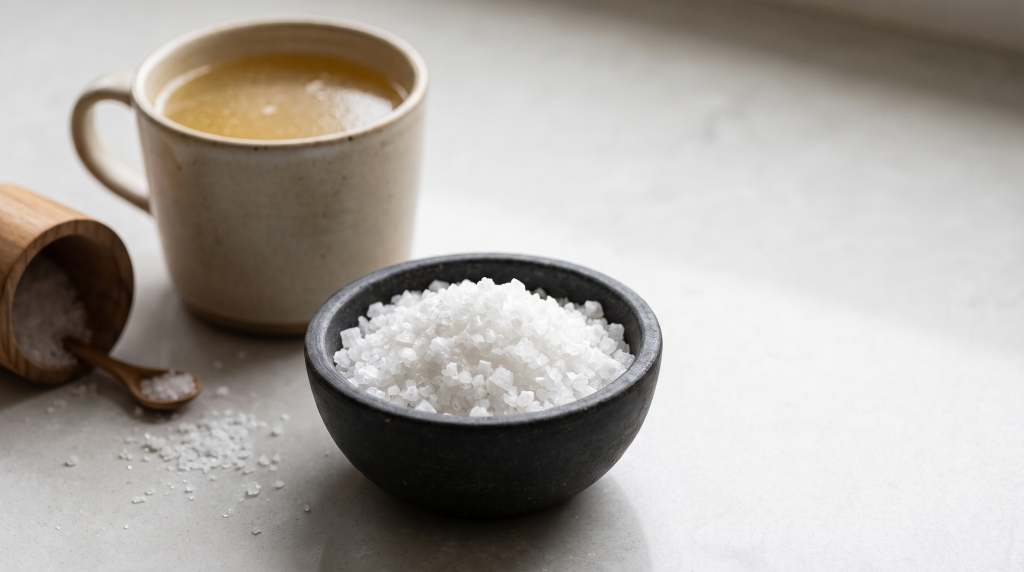
- Store-bought broths can be high in sodium, so check labels if you watch your salt intake.
- Choose quality, well-sourced broth, drink it in moderation, and consult a professional if you have a health condition.
Bone broth is a nourishing, generally safe food that most people can enjoy without any problems. Still, like anything, it can have downsides for certain people or in certain situations, and it is only responsible to cover them honestly. Here is a balanced look at the possible side effects of bone broth, who should be cautious, and how to minimize any risks so you can enjoy it with confidence.
To be clear up front: for the great majority of people, a cup or two of quality bone broth a day is perfectly safe. The points below are about specific sensitivities and sensible precautions, not reasons for most people to worry.
Is Bone Broth Safe?
For most people, yes. Bone broth is simply a long-simmered food made from bones, water, and aromatics, and it has been consumed for generations. The considerations that follow apply to particular individuals, such as those with certain sensitivities or medical conditions, or to lower-quality products. Knowing about them helps you choose well and notice if broth does not agree with you, which is rare but possible.
Histamine
This is the side effect most worth understanding. Long-cooked and aged foods, including bone broth that has simmered for many hours, can be relatively high in histamine. Most people handle dietary histamine without issue, but those with histamine intolerance may experience symptoms such as headaches, flushing, or digestive discomfort. If you are sensitive to histamine and broth seems to trigger symptoms, that may be why. Using very fresh broth, cooling it quickly, and freezing portions promptly rather than keeping it for long periods can help reduce histamine levels.
Sodium
Bone broth can be high in sodium, particularly some store-bought products, which range widely from modest to quite salty. For most people this is fine, but if you are watching your salt intake for blood pressure or another reason, it is worth checking the label and choosing a lower-sodium option, or making your own and seasoning it lightly. We cover sensible amounts in how much bone broth should you drink a day. Reading labels is the simplest safeguard here.
The Question of Heavy Metals
You may have seen concerns that bone broth could contain heavy metals such as lead, since bones can accumulate them. This is a fair question to address. The research is limited and mixed: some studies have detected small amounts, while the practical significance for someone drinking broth in normal quantities is not well established. A sensible, balanced response is to choose broth made from quality, well-raised animals, such as grass-fed beef and pasture-raised poultry, and to enjoy broth as part of a varied diet rather than in extreme quantities. This keeps any theoretical risk low without overstating a concern that remains unsettled.1 2
Digestive Adjustment
A small number of people notice mild digestive changes, such as a feeling of fullness or slight bloating, when they first add bone broth to their routine, often simply because it is new or because they are drinking a lot at once. This usually settles as your system adjusts. Starting with a smaller cup and building up gradually tends to avoid it. If broth consistently upsets your stomach, consider the histamine point above, and ease off if it does not agree with you.
Glutamate Sensitivity
Bone broth naturally contains free glutamate, the compound behind its savory, umami flavor. A small number of people report sensitivity to free glutamate and may prefer to moderate their intake. For most people this is simply what makes broth taste good and is no cause for concern, but if you know you are sensitive, it is worth being aware that long-simmered broths are naturally higher in it.
Who Should Be Cautious
- People with histamine intolerance, who may react to long-simmered broths.
- Anyone watching sodium for blood pressure or other reasons, who should check labels.
- People with kidney conditions, for whom protein and sodium intake may need managing; consult your doctor.
- Those with specific food sensitivities, including to glutamate.
- Anyone with a medical condition or on medication affected by diet, who should seek professional guidance.
How to Minimize Any Risks
Most concerns are easy to manage with a few sensible habits. Choose quality, well-sourced broth from animals raised to a good standard. Watch sodium by reading labels or seasoning homemade broth yourself. Keep broth fresh and freeze portions promptly if histamine is a concern for you. Drink it in reasonable amounts, a cup or two a day rather than excessive quantities, as part of a varied diet. These simple steps keep bone broth a safe, enjoyable part of your routine for the vast majority of people.
When to Talk to a Professional
If you have a chronic health condition, take medications affected by diet, are pregnant or breastfeeding, or notice that bone broth consistently disagrees with you, it is worth speaking with a doctor or registered dietitian. They can give advice tailored to your situation, which general information never can. For the positive side of the ledger, our overview of bone broth benefits and is bone broth good for you cover what broth may offer, and you can compare the gentler options like a light chicken bone broth or a richer beef bone broth on our types of bone broth page.
Histamines and Sensitivity
Because bone broth is simmered for a long time, it can be higher in histamines, and a small number of people who are sensitive may notice symptoms like headaches or flushing after drinking it. If that sounds like you, a shorter simmered broth or a smaller serving may be gentler, and it is worth paying attention to how your own body responds. For most people this is not an issue, but it is a real consideration for those with known histamine sensitivity.
Sodium Is Worth Watching
The most common practical consideration is sodium. Store bought broths in particular can be high in salt, so if you sip broth often, or you are managing blood pressure or a medical condition, choose a low sodium option and check the label. Making your own lets you control the salt entirely. A little awareness here goes a long way toward keeping a daily broth habit balanced. Our bone broth nutrition facts covers typical sodium ranges.
Quality and Sourcing
Concerns occasionally come up about heavy metals such as lead in bone broth. The honest, balanced picture is that studies have found only small amounts, and the practical takeaway is simply to choose well sourced bones, ideally grass-fed beef and pasture raised poultry, and a reputable broth. This is a reason to favor quality, not a reason for alarm. Buying from trusted sources, whether bones or ready made broth, addresses it sensibly.
Who Should Be Cautious
For most people, bone broth is a safe, nourishing food. Those who should take extra care include anyone with histamine sensitivity, people watching their sodium for medical reasons, and anyone with a specific health condition, who should speak with a qualified professional. Starting with a small serving and seeing how you feel is always sensible. Used thoughtfully, broth fits comfortably into a balanced diet for the great majority of people.
Frequently Asked Questions
Does bone broth have side effects?
For most people, no significant ones. The main considerations are histamine in long-simmered broths for those who are sensitive, sodium in some store-bought products, and the usual advice to choose quality broth and drink it in moderation.
Is bone broth high in histamine?
Long-cooked foods, including bone broth, can be relatively high in histamine. Most people handle it fine, but those with histamine intolerance may react. Using fresh broth and freezing portions promptly can help.
Does bone broth contain lead or heavy metals?
Some studies have detected small amounts, while the significance for normal consumption is not well established. Choosing broth from quality, well-raised animals and enjoying it as part of a varied diet keeps any theoretical risk low.
Can bone broth be bad for your kidneys?
For healthy people, normal amounts are not a concern. Those with kidney conditions may need to manage protein and sodium intake, so they should consult their doctor before making broth a regular habit.
Can you drink too much bone broth?
Very large amounts could add up on sodium and, for sensitive people, histamine. A cup or two a day as part of a varied diet is a sensible, safe approach for most people.
Are there any downsides to drinking bone broth?
For most people it is safe and nourishing. The main things to watch are sodium, especially in store bought broths, and histamines for those who are sensitive. Choosing well sourced, quality broth addresses most concerns. Speak with a professional about specific conditions.
Sources
The claims above draw on independent, peer-reviewed research:
[2] Essential and toxic metals in animal bone broths (heavy-metal risk found to be minimal). 2017.
